Dating Safety for Polyamorous and Open Couples
Dating while in a polyamorous or open relationship brings unique joys and complexities. Alongside the excitement of new connections, it's essential to approach dating with a clear safety plan that protects your physical, emotional, and digital well-being. This guide offers research-backed insights and practical steps to help you date with confidence and care.
Key takeaways
- Online dating carries real risks, from scams to physical harm, and awareness is your first defense.
- Polyamorous and open daters should take extra care with privacy and disclosure to avoid stigma and legal complications.
- Verify identities through video calls and reverse image searches; never send money to someone you haven't met.
- Always meet in public, share your plans with a trusted person, and trust your instincts.
- Build a safety network with your partners and friends, and make safety an ongoing conversation.
The Modern Dating Landscape: Risks and Realities
Online dating has become a mainstream way to meet people, but perceptions of its safety are mixed. A 2011 study found that over 50% of participants did not view it as dangerous, while 43% believed it involved risk[1]. More recent surveys show a shift: by 2022, 49% of U.S. adults said dating apps were not too safe or not at all safe, and 52% of online daters believed scam accounts were common[1]. These numbers reflect a growing awareness of the darker sides of digital connection.
Romance scams are a significant concern. Criminal networks create fake profiles using stolen or AI-generated images to build trust over weeks or months, then ask for money under false pretenses[2]. In 2023, victims in the United Kingdom lost £93 million to such scams, while the U.S. Federal Bureau of Investigation reported over US $650 million in losses[2]. Beyond financial fraud, physical safety is also at stake. Date rape, often involving alcohol or drugs, disproportionately affects women between the ages of 16 and 24, and it remains one of the most common forms of rape[1]. A study of college women found that over 60% of participants had a history of sexual victimization, and they identified risks like unsafe sexual situations, deception, and non-sexual interpersonal violence when using dating apps[5].
For anyone dating today, these statistics are not meant to scare but to inform. Recognizing the landscape helps you make intentional choices about how, where, and with whom you connect.
Why Polyamorous and Open Daters Face Distinct Safety Challenges
If you are polyamorous or in an open relationship, dating comes with additional layers of vulnerability. Disclosing your relationship structure can lead to stigma, rejection, or even being targeted by people who fetishize non-monogamy. Privacy is paramount: accidentally outing yourself or a partner could have social, professional, or legal consequences. While polyamorous relationships are legal in all 50 U.S. states, individuals still face challenges related to custody, morality clauses, housing, and adultery laws[4]. In some places, simply being open about multiple partners can invite scrutiny.
Digital privacy is another concern. A 2014 class action lawsuit revealed that a dating site for people with STDs shared user profiles across a network of affiliate sites without consent, misrepresenting members' race, sexual orientation, HIV status, and religion[1]. This case underscores how sensitive information can be exploited. Polyamorous daters often share details about their relationship style, sexual health practices, and multiple partners—data that could be misused if it falls into the wrong hands.
Additionally, managing multiple connections means a larger digital footprint. Each new match, message, or profile increases the surface area for potential scams or harassment. Being aware of these distinct challenges allows you to tailor your safety strategies accordingly.
Spotting Red Flags: Catfishing, Scams, and Deception
Catfishing—the creation of a fictitious online persona to deceive someone—is a common tactic on dating platforms[3]. Perpetrators often refuse to video chat or meet in person, make excuses to avoid face-to-face contact, and may love bomb their targets with excessive affection early on[3]. They might request money with a fabricated backstory, such as a medical emergency or travel expenses, and try to isolate victims from their real-life social circles[3]. Inconsistencies in names, photos, or personal stories are major red flags[3].
Romance scammers operate similarly, using stolen photographs or AI-generated images to create attractive profiles[2]. They build a 'loving relationship' over time, sometimes exchanging love poems or intimate messages, before asking for financial help[2]. Because scammers often work in groups, someone is always available to send messages, making the connection feel intense and real—but a different person might show up for a call or meeting, so they avoid live interaction[2].
Smaller deceptions, sometimes called 'kittenfishing,' include using outdated photos or exaggerating personal details[3]. A newer trend, 'chatfishing,' involves using AI-generated texts to drive conversations[3]. To protect yourself, suggest a video call early on. Do a reverse image search of their profile photos. Pay attention to your gut: if something feels off, it probably is.
Vetting Partners: Investigative and Social Strategies
Research on dating app safety shows that people use a mix of logistical, investigative, social, instinctual, and safety planning strategies to reduce risk[5]. For polyamorous daters, investigative strategies might include asking direct questions about a person's current relationship status, their experience with non-monogamy, and their safer sex practices. A potential partner who is evasive or defensive about these topics may not be a safe bet.
Social strategies can be especially powerful. Tap into your existing network: ask your partners or trusted friends if they know the person. Online communities, including the over 120 Facebook groups named 'Are We Dating The Same Guy?' where women share red flags about men, show how collective knowledge can help identify dishonest behavior[1]. However, be mindful of privacy and consent when sharing information about others.
If a connection becomes more serious, consider meeting your metamours (your partner's other partners) early on. They can offer valuable perspective and help verify that the person's story aligns with reality. Trust is built over time, and a person worth investing in will respect your need for transparency and patience.
First Meetings: Safety Planning in Action
When you decide to meet someone in person, a solid safety plan is non-negotiable. Always choose a public place like a café, park, or restaurant. Tell at least one person—a partner, friend, or family member—where you are going and who you are meeting. Share your live location temporarily through your phone, and set up a check-in time. If you feel uncomfortable at any point, give yourself permission to leave. You can use a code word with your check-in person to signal that you need help without alerting your date.
Avoid excessive alcohol or substances that can cloud your judgment, especially on early dates. Studies note that date rape often involves alcohol or drugs, and college-aged women are particularly targeted[1]. Even if you are older, the same precautions apply. Research with older Australian women found that they face harassment and scams on dating apps, highlighting that safety concerns span all ages[6].
Interestingly, one study found that women with a history of sexual victimization reported using risk mitigation strategies as much as or more than those without, yet they still faced difficulties in responding to risk in the moment[5]. This suggests that while planning is essential, it cannot guarantee safety. Layering multiple strategies—such as meeting during the day, driving yourself, and having a backup plan—can make a meaningful difference.
Protecting Your Emotional and Sexual Health
Physical safety is only one piece of the puzzle. Emotional and sexual well-being are equally important. Before becoming intimate, have a clear conversation about STI testing, barrier use, and what safer sex means for everyone involved. These discussions should be ongoing, not a one-time checkbox. Consent must be enthusiastic, informed, and revocable at any moment.
Polyamorous and open daters sometimes face pressure to engage in activities they are not comfortable with, especially if they are new to non-monogamy or if a partner pushes for rapid escalation. Watch out for love bombing—over-the-top affection and promises that feel too good to be true—as it can be a manipulation tactic[3]. Take your time getting to know someone. A person who respects your boundaries will not rush you.
If you experience harassment, stalking, or any form of violence, report it to the dating platform and lean on your support network. You are not alone, and it is never your fault. Building a culture of safety within your relationships means you can talk openly about these experiences without shame.
Digital Privacy and Information Security
What you share online can have lasting consequences. Avoid linking dating profiles to social media accounts that reveal your full name, workplace, or family members. Use a Google Voice number or a messaging app that keeps your real phone number private until you trust someone. Be cautious about sharing identifiable photos that could be reverse-searched to find your other online presences.
The lawsuit against a dating site that promised 'fully anonymous' and '100% confidential' profiles but then shared them across affiliate sites is a stark reminder that privacy policies are not always honored[1]. Read the fine print, but also practice defensive sharing: assume that anything you put on a dating app could become public. For polyamorous individuals, consider how your profile might be seen by colleagues, family, or your partners' networks. Some choose not to show their face in public photos, instead sharing images privately after matching.
Discuss with your partners what level of visibility feels comfortable. If you are in a relationship where being out could have repercussions, agree on how you will represent your connection status online. Digital safety is a collaborative effort.
Building a Culture of Safety in Your Relationships
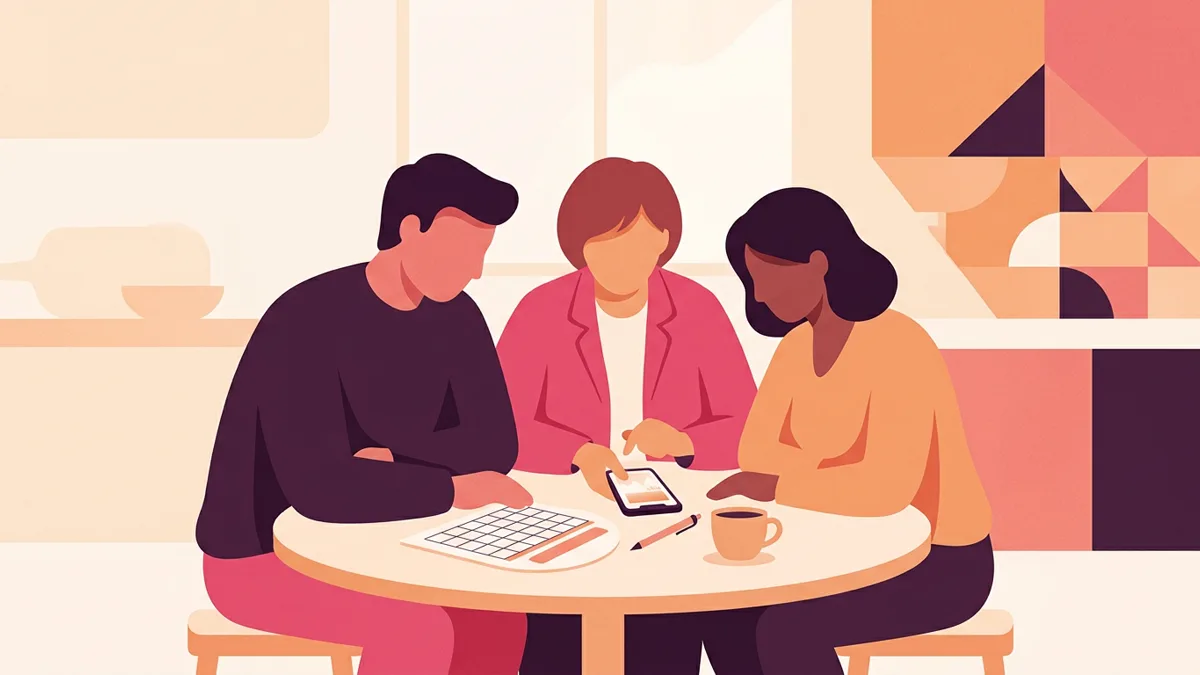
Safety does not have to be a solo endeavor. In fact, one of the strengths of polyamorous and open relationships is the potential for a broader support network. Talk with your partners about your safety practices. You might agree to always inform each other about new dates, share locations during first meetings, or have a check-in system. This is not about control or surveillance—it is about mutual care.
In polyfidelity or closed polyamorous arrangements, where members restrict sexual activity to the group, vetting new people together can add a layer of security[4]. Even in more parallel styles, knowing that someone has your back reduces the isolation that scammers and abusers often exploit. Encourage open dialogue about any uncomfortable experiences, and avoid blaming yourself if you encounter deception. Scammers are skilled manipulators who invest significant time in building false trust[2].
By making safety an ongoing conversation rather than a one-time talk, you normalize vigilance and support. This not only protects you but also strengthens the trust and intimacy within your existing relationships.
Frequently asked questions
Is online dating more dangerous for polyamorous people?
Not inherently, but polyamorous daters may face unique risks like being outed, fetishized, or targeted by those who misunderstand non-monogamy. Practicing careful privacy and vetting can mitigate these risks.
How can I tell if someone is catfishing me?
Common signs include refusing to video chat, making excuses to avoid meeting, love bombing, and asking for money. Inconsistencies in their story or photos are red flags. Trust your gut and do a reverse image search.
Should I tell my partner(s) about every date I go on?
It depends on your agreements. Many polyamorous people share basic safety information (where, when, with whom) as a courtesy and for safety. Discuss with your partners what level of detail feels comfortable and supportive.
What should I do if I feel unsafe on a date?
Have an exit plan: excuse yourself to the restroom, call a friend, or alert the staff if needed. You can use a code word with a check-in person. Never feel obligated to stay. Your safety comes first.
Sources
- Online dating – Wikipedia. https://en.wikipedia.org/wiki/Online_dating
- Romance scam – Wikipedia. https://en.wikipedia.org/wiki/Romance_scam
- Catfishing – Wikipedia. https://en.wikipedia.org/wiki/Catfishing
- Polyamory – Wikipedia. https://en.wikipedia.org/wiki/Polyamory
- Newlands et al. (2022). Safe Dating in the Digital Era: Protective Behavioral Strategies in Dating Behaviors Facilitated by Dating Applications. Violence and victims. PubMed. https://pubmed.ncbi.nlm.nih.gov/35354656/
- Turley et al. (2026). Dating App Safety Among Older Women in Australia: Using Informational Videos for Effective Safety Messaging Delivery. Violence against women. PubMed. https://pubmed.ncbi.nlm.nih.gov/40771097/
Facts in this article were taken from the sources above and rewritten in our own words. See our editorial policy. Found an error? Tell us.