Solo Polyamory: Autonomy Without a Primary Partner
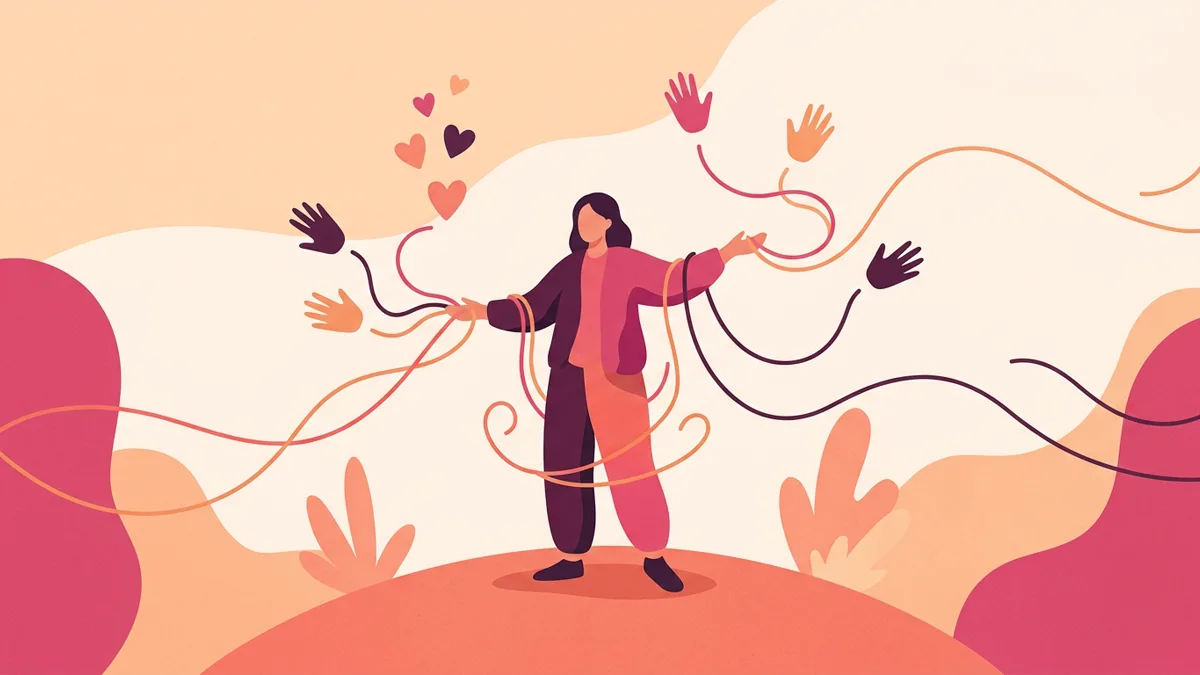
Solo polyamory offers a way to love multiple people while keeping your own life at the center. Instead of climbing the traditional relationship escalator toward cohabitation or marriage, solo poly people design connections around personal freedom, self-commitment, and flexible intimacy. This article explores what solo poly looks like in daily life, how it relates to other non-monogamous styles, and what to consider if you are drawn to this path.
Key takeaways
- Solo polyamory centers self-commitment and resists the relationship escalator; it is defined by philosophy, not by how many partners you have.
- It differs from relationship anarchy, which explicitly refuses to rank romantic bonds above platonic ones, though the two can overlap.
- Research shows primary relationships often receive less stigma and more investment, but solo poly people build commitment through trust and honesty rather than hierarchy.
- Clear agreements around sexual health, scheduling, and emotional expectations are essential, especially without a primary-couple framework.
- Solo poly can be a phase or a lifelong identity; the key is honest communication with yourself and your partners.
What Solo Polyamory Actually Means
Solo polyamory describes individuals who engage in multiple intimate relationships but do not seek a primary partner or the milestones that typically define couplehood. They may resist the relationship escalator—the expected progression from dating to exclusivity, engagement, marriage, and children[1]. A solo poly person might never want to live with a partner, combine finances, or legally marry, even if they maintain deep, long-term bonds[5].
The core idea is that the most important commitment is to oneself. Many solo poly people consider themselves their own primary partner, organizing their time, energy, and decisions around personal growth, career, hobbies, or friendships rather than around a central romantic relationship[5]. This does not mean they are unable or unwilling to love; it means they choose not to structure their life around a single romantic anchor.
Solo polyamory is not defined by how many people someone is currently dating. A person can be solo poly while having one partner, several partners, or no active romantic connections at all. The identity is about desires and philosophy, not a headcount[5]. Some people embrace solo poly for a season of life, while others see it as a lifelong orientation[5].
Solo Poly and the Relationship Escalator
The relationship escalator is a social script that moves couples step by step toward merging their lives. Solo polyamory deliberately steps off that escalator. A solo poly person might share weekends, holidays, or emotional support with a partner, yet maintain separate homes, bank accounts, and legal independence[6]. They often prefer to keep relationships largely independent of one another, a style known as parallel polyamory, where partners may have little or no contact with each other[6].
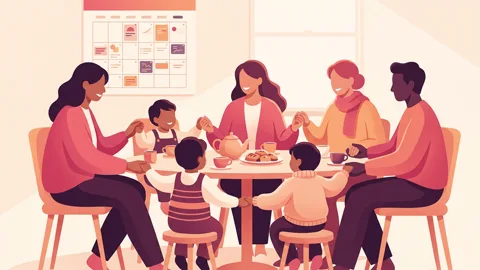
This does not mean solo poly people avoid all group interaction. Some enjoy birthday party polyamory, where metamours might meet at celebrations but otherwise do not go out of their way to interact[6]. The key difference from kitchen table polyamory—where everyone is comfortable enough to gather regularly—is that solo poly individuals typically prioritize autonomy over blending partners into a shared social unit[1][6].
Choosing to step off the escalator can feel liberating, but it also requires clear communication. Because society often assumes a primary partner is the goal, solo poly people may need to explicitly name what they can and cannot offer, from cohabitation to emergency-contact roles, so that expectations stay aligned.
How Solo Poly Differs from Relationship Anarchy
Solo polyamory and relationship anarchy share a strong emphasis on autonomy, but they are distinct approaches. Relationship anarchy is a broader philosophy that rejects not only the primary-couple model but also the idea that romantic relationships should automatically rank above platonic ones. It is explicitly anti-amatonormative and anti-mononormative, and it values community interdependence alongside personal freedom[2].
Relationship anarchy, popularized in a 2012 essay by Andie Nordgren, encourages people to design every connection—romantic, sexual, platonic, or otherwise—based on mutual wants and needs rather than traditional social rules[2]. A 2022 Men's Health article noted that relationship anarchy leads to not hierarchizing between platonic and romantic relationships[2]. In contrast, solo polyamory is specifically a form of consensual non-monogamy that focuses on intimate partnerships without a primary anchor, but it does not necessarily reframe friendships as equal to romances in the same explicit way[2][5].
In practice, someone can be both a relationship anarchist and solo poly, or one without the other. The overlap often lies in the shared rejection of prescriptive hierarchies and the insistence that closeness and autonomy need not create dilemmas[2].
What Research Shows About Autonomy and Stigma
A 2018 study using a convenience sample of 1,308 self-identified polyamorous individuals found that participants reported less stigma, more investment, greater satisfaction, and greater commitment in primary relationships compared to secondary ones[3]. However, they also reported a greater proportion of time spent on sexual activity with secondary partners[3]. These findings highlight a tension: society tends to validate primary-style bonds, yet secondary connections can carry their own vitality.
For solo poly people, who often avoid labeling any partner as primary, this research raises important questions. If a relationship does not fit the primary mold, will it receive less social recognition? Will partners feel less invested? The answer depends heavily on communication. Polyamorists generally define fidelity not as sexual exclusivity but as faithfulness to the promises and agreements made about a relationship[1]. Commitment is understood through trust, honesty, and showing up for one another, not through cohabitation or legal ties[1].
Unequal power dynamics can also shape how freely someone chooses solo polyamory. Financial dependence or the fear that refusing a non-monogamous arrangement will end the relationship can inappropriately influence a person's decision[1]. Solo poly, with its emphasis on self-reliance, can be one way to reduce such pressures, but only if it is genuinely desired.
Navigating Healthcare and Social Spaces as a Solo Poly Person
Disclosing a solo poly relationship structure in medical settings can be tricky. In one study of 67 consensually non-monogamous individuals, 42% identified as relationship anarchy or solo polyamory[4]. While 63% of participants disclosed their relationship status to a clinician when accessing sexual health services, 37% sometimes or never did[4]. Some chose to pass as monogamous to simplify interactions and avoid potential stigma[4].
Experiences varied: some clinicians were accepting and professional, while others displayed prejudice and even withheld treatment[4]. If you are solo poly, consider preparing a short, factual sentence about your relationship structure for healthcare visits, such as 'I have multiple partners and we practice safer sex agreements.' This can help you gauge a provider's response and decide how much to share. Seeking out poly-friendly or LGBTQ+-affirming clinics can also make a difference.
In everyday social life, solo poly people may face questions like 'But who is your real partner?' or assumptions that they are simply single and looking. International Solo Polyamory Day, observed every year on September 24, and Polyamory Day on November 23 both offer moments for visibility and community connection[1]. The November date was chosen because on that day in 2011, the Supreme Court of British Columbia ruled that Canada's anti-polygamy law does not affect unformalized polyamorous households[1].
Is Solo Polyamory Right for You?
Solo polyamory might fit if you think of yourself as your own primary commitment and do not desire marriage, cohabitation, or other escalator steps[5]. It can also suit those who prefer to focus on personal growth, career, hobbies, or mental health rather than centering a romantic relationship[5]. If you consider your friendships just as important as romantic connections, solo poly may align with your values[5].
Before adopting the label, it can help to reflect on a few questions: What does 'commitment' mean to me beyond living together or sharing finances? How do I feel about spending holidays or recovering from illness without a default live-in partner? Am I comfortable being my own primary source of logistical and emotional support, while still asking partners for care when needed?
Remember that solo polyamory is not a permanent identity unless you want it to be. Some people move through solo poly phases after a divorce, during intense career years, or while healing from past relationships. Others stay for a lifetime. The key is honesty with yourself and with the people you love.
Building Agreements Without a Primary Framework
In prescriptive primary/secondary relationships, couples sometimes create rules that keep additional partners secondary, including veto power that lets one person end another's outside relationship[6]. Solo polyamory generally rejects such enforced hierarchies. Instead, agreements tend to focus on sexual health practices, scheduling, and emotional transparency, without granting any partner the right to control others.
Parallel polyamory is a natural companion to solo poly, because it allows each relationship to develop independently, with little or no contact between metamours[6]. Some solo poly people prefer birthday party polyamory, where metamours might meet at occasional social gatherings but do not otherwise interact[6]. These styles reduce the pressure to blend lives and help protect the autonomy that solo poly values.
Setting boundaries and discussing expectations remains essential, as it is in every relationship style[5]. Regular check-ins can cover topics like how much detail to share about other partners, what safer-sex protocols to follow, and how to handle holidays or emergencies. Because solo poly people often lack a default plus-one, being explicit about who shows up for which life events prevents misunderstandings.
Common Strengths and Challenges
Polyamorous people in general have specific strengths when navigating conflict: they often have more people to discuss issues with, they tend to select partners who are open to communication, they know a relationship ending might not leave them single, and they likely have friends who are also poly[1]. Solo poly individuals can draw on these same resources while also enjoying a high degree of self-determination.
Challenges include facing skepticism from people who equate commitment with exclusivity or cohabitation. A solo poly person may need to repeatedly explain that not wanting a primary partner does not mean they are afraid of intimacy or unwilling to commit. Commitment, as writer Zachary Zane notes, means being there for someone, supporting them, taking care of them, and loving them—none of which requires a shared lease[1].
Loneliness can also surface if a solo poly person assumes they must handle everything alone. Autonomy does not mean isolation. Building a chosen family, nurturing deep friendships, and asking partners for specific support during hard times are all compatible with a solo poly philosophy. The goal is freedom, not solitude.
Frequently asked questions
Does solo polyamory mean I have to live alone forever?
Not necessarily. Solo polyamory is about not seeking a primary partner or merging lives in a traditional couple-centric way, but some solo poly people do share housing with friends, family, or even a partner under clear, independent terms. The defining feature is that you remain your own primary commitment and do not default to the relationship escalator.
Can I be solo poly if I only have one partner right now?
Yes. Solo polyamory describes your desires and relationship philosophy, not your current partner count. You can have one partner, several partners, or no active romantic connections and still identify as solo poly if you prioritize autonomy and do not want a primary-style partnership[5].
How is solo poly different from just being single and dating around?
Being single and dating often carries an assumption that you are looking for a primary partner eventually. Solo polyamory is an intentional identity where you maintain multiple loving, committed relationships without aiming for cohabitation, marriage, or other escalator steps. The emphasis is on ongoing, consensual non-monogamous connections rather than casual or transitional dating.
What if my partner wants more entanglement than I do?
Open communication is key. Name what you can and cannot offer—such as not sharing a home or finances—and listen to what your partner needs. Sometimes differences can be bridged with creative agreements; other times, they reveal a fundamental incompatibility. Regular check-ins help both people stay honest about whether the relationship is working.
Sources
- Polyamory – Wikipedia. https://en.wikipedia.org/wiki/Polyamory
- Relationship anarchy – Wikipedia. https://en.wikipedia.org/wiki/Relationship_anarchy
- Balzarini et al. (2017). Perceptions of primary and secondary relationships in polyamory. PloS one. PubMed. https://pubmed.ncbi.nlm.nih.gov/28542619/
- Campbell et al. (2024). "Oh! How Modern! And... Are You Ok with That?": Consensually Non-Monogamous People's Experiences When Accessing Sexual Health Care. Journal of sex research. PubMed. https://pubmed.ncbi.nlm.nih.gov/37641450/
- How Do You Know If Solo Polyamory Is Right for You? 7 TipsHealthline – Healthline. https://www.healthline.com/health/relationships/solo-polyamory
- More Than Two – More Than Two. https://www.morethantwo.com/polyglossary.html
Facts in this article were taken from the sources above and rewritten in our own words. See our editorial policy. Found an error? Tell us.